You Won’t Believe What I Discovered Walking Through Petra’s Ancient Passageways
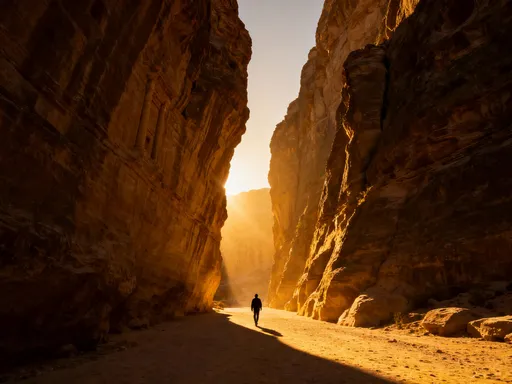
Walking into Petra through the narrow Siq felt like stepping into another world. The towering sandstone walls, carved by nature and time, led me to secrets older than imagination. This isn’t just a ruins site—it’s a living story of the Nabataeans, their culture echoing in every stone. I never expected such a deep connection to a place so ancient. Petra doesn’t just impress—it transforms. With each step forward, the air grew cooler, the light softer, and the silence more profound. Then, between the rust-colored cliffs, a golden glow emerged: the Treasury, Al-Khazneh, standing in quiet majesty after 2,000 years. This moment, so many have described as spiritual, is not merely a visual spectacle—it’s an emotional awakening. It reminds us that some places on Earth are not just destinations, but teachers.
The First Glimpse: Entering Petra Through the Siq
The journey into Petra begins long before you see the first carved façade. It starts with a walk—sometimes quiet, sometimes shared with fellow travelers—along a winding path that gradually narrows into the Siq, a natural fissure in the rock formed by tectonic forces over millions of years. This 1.2-kilometer-long gorge is flanked by sheer sandstone cliffs that rise up to 80 meters, their surfaces rippled with layers of red, pink, and ochre, shaped by wind and water. As visitors move deeper into the Siq, the outside world fades. The sounds of modern life—cars, voices, phones—diminish, replaced by the soft echo of footsteps, the occasional whinny of a horse, and the whisper of wind through ancient cracks.
What makes the Siq more than just a geological marvel is the way it choreographs the experience of discovery. The path curves deliberately, concealing the Treasury until the very last moment. This intentional reveal, whether by design of the Nabataeans or by natural formation, creates a sense of anticipation unmatched in archaeology. Light filters in unevenly—sometimes bright, sometimes shadowed—playing across the walls like a slow-moving painting. Carvings of deities, niches for sacred stones, and remnants of water channels line the path, hinting at the civilization that once controlled this passage. These details remind visitors that this was not merely an entrance, but a sacred corridor, possibly used in religious processions.
Emerging into the small valley where the Treasury stands is nothing short of cinematic. The façade, 40 meters high and intricately carved from solid rock, rises like a monument from another time. Though weathering has softened some details, the columns, pediments, and statues still convey the ambition and artistry of its creators. While many rush to take photos, the true impact comes in the quiet seconds afterward—when the awe settles and the mind begins to grasp the scale of human achievement embedded in the stone. The Treasury, despite its name, was likely a royal tomb or ceremonial monument, not a vault of treasure. Yet the name endures, much like the myths that surround Petra, adding to its mystique.
The Nabataeans: Who Really Built Petra?
To walk through Petra is to walk through the legacy of the Nabataeans, a people whose name may not be as widely recognized as the Romans or Greeks, but whose accomplishments were no less remarkable. Flourishing between the 4th century BCE and the 1st century CE, the Nabataeans were originally nomadic Arab tribes who settled in the southern Jordan region, transforming a rugged desert canyon into a thriving urban center. Their success was not built on conquest, but on commerce. Petra sat at the crossroads of major trade routes connecting Arabia, Egypt, Syria, and the Mediterranean, making it a vital hub for the incense, spice, and silk trade.
What set the Nabataeans apart was their mastery of adaptation. In an arid environment with limited water, they developed sophisticated hydraulic systems—channels, cisterns, and dams—that captured and stored rainwater, allowing agriculture and urban life to flourish. These systems were so advanced that they sustained a city of up to 20,000 people at its peak. Their engineering prowess extended to architecture: they carved entire buildings directly into the sandstone cliffs, using the rock not as a foundation, but as the material itself. This method required precision, planning, and a deep understanding of geology.
Culturally, the Nabataeans were a bridge between civilizations. Their art and architecture reflect a blend of Arabian, Egyptian, Hellenistic, and Mesopotamian influences. The Treasury, for example, features Corinthian columns and classical pediments, yet its overall form and religious symbolism remain uniquely Nabataean. They worshipped a pantheon of gods, including Dushara, their supreme deity, and Al-Uzza, a goddess associated with fertility and protection. Religious practices often took place on high altars or in open-air sanctuaries, emphasizing their connection to nature and the cosmos.
Despite their prosperity, the Nabataeans eventually came under Roman control in 106 CE when the Roman Empire annexed the region, forming the province of Arabia Petraea. While this marked the decline of their political independence, many Nabataean traditions persisted under Roman rule. Over time, Petra’s importance as a trade center diminished due to shifting routes and earthquakes, leading to its gradual abandonment. For centuries, it was known only to local Bedouin tribes until its rediscovery by Swiss explorer Johann Ludwig Burckhardt in 1812. Today, the Nabataeans are remembered not through written chronicles, but through the silent grandeur of the city they carved from stone.
Beyond the Treasury: Hidden Cultural Gems Most Visitors Miss
While the Treasury captures the spotlight, Petra’s true depth lies in its lesser-known monuments, each offering a window into the social, spiritual, and civic life of the Nabataeans. Just beyond the Treasury lies the Street of Facades, a row of simple yet elegant tombs carved into the cliff face. These uniform structures, some with stepped crowns or decorative friezes, likely belonged to elite families and reflect the hierarchical nature of Nabataean society. Unlike the ornate Treasury, these tombs are understated, suggesting that status was expressed through placement and repetition rather than extravagance.
Further uphill, the Royal Tombs—comprising the Urn Tomb, the Silk Tomb, the Corinthian Tomb, and the Palace Tomb—offer even grander expressions of funerary architecture. The Urn Tomb, in particular, is notable for its massive scale and later conversion into a Byzantine church, evidenced by carved crosses still visible on its walls. These tombs were not just burial sites; they were statements of power and permanence, designed to honor ancestors and assert lineage. Their elevated positions provided both literal and symbolic prominence, overlooking the city and the valley below.
One of the most rewarding hikes in Petra leads to Ad-Deir, known as the Monastery. Larger than the Treasury at 50 meters wide and 45 meters high, this monument is tucked deep in the northern hills, reachable after a climb of over 800 steps. The journey itself is part of the experience—passing small tea stands run by Bedouin vendors, resting on shaded benches, and catching views of the surrounding mountains. The Monastery, like the Treasury, was likely a ceremonial site rather than a dwelling. Its simple, imposing façade lacks the intricate detail of other structures, suggesting a more solemn purpose. Local tradition holds that it was once used by Christian monks, hence the name, though archaeological evidence points to its Nabataean origins.
Even fewer visitors make it to the High Place of Sacrifice, a mountaintop altar reached via a steep, well-preserved stairway. From this vantage point, the entire city unfolds in panorama—a sight that would have been both awe-inspiring and spiritually significant to the Nabataeans. Stone tables, channels for ritual libations, and carved altars remain, offering tangible evidence of ancient ceremonies. This site underscores the spiritual dimension of Petra: a city not only built for trade and living, but also designed to connect the earthly and the divine.
Living Culture: How Local Bedouin Communities Keep Petra Alive Today
Petra is not just an archaeological site; it is a place of living memory, shaped by generations of Bedouin communities who called its caves home long after the Nabataeans vanished. The Bdul and Liyathnah tribes, in particular, have a deep historical connection to the area. Until the 1980s, many families lived within the ancient tombs and natural shelters of Petra, adapting to the landscape much as their ancestors had. In 1985, as part of UNESCO conservation efforts and the development of Petra as a protected site, the Jordanian government relocated these communities to a modern village called Umm Sayhoun, located just outside the park entrance.
Today, members of these tribes remain central to the Petra experience. Many work as licensed guides, horse and donkey operators, tea vendors, and artisans. Their knowledge of the terrain, the hidden paths, and the oral histories of the region adds a human dimension that no guidebook can replicate. A conversation with a local guide often reveals stories passed down through generations—legends about hidden chambers, ancient water sources, and the spiritual significance of certain rocks or springs. These narratives, while not always verifiable, enrich the cultural tapestry of Petra, blending history with lived experience.
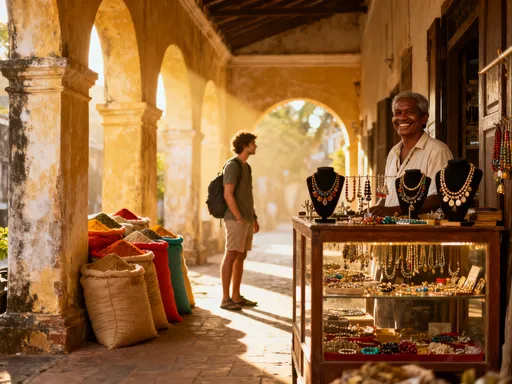
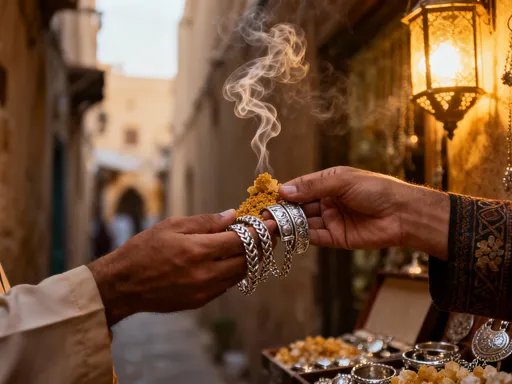
Local craftsmanship also thrives. In small shops and roadside stalls, visitors can find handcrafted jewelry, woven textiles, and carved stone souvenirs made by Bedouin artisans. Purchasing these goods directly supports the community and helps preserve traditional skills. Some families have opened guesthouses or cultural centers in Umm Sayhoun, offering visitors a chance to learn about Bedouin hospitality, cuisine, and music. This shift from cave dwellers to cultural ambassadors reflects resilience and adaptation—a modern echo of the Nabataean spirit.
Importantly, the presence of the Bedouin reminds us that Petra is not a frozen relic, but a dynamic space where past and present intersect. Their stewardship ensures that respect for the land, sustainability, and cultural continuity remain part of Petra’s story. When visitors interact with these communities—whether sharing a cup of sweet mint tea or listening to a folk tale—they participate in a living tradition that honors both the ancient and the contemporary.
A Day in the Life: Timing, Routes, and Avoiding the Crowds
To experience Petra beyond the snapshot requires intention. The difference between a rushed visit and a meaningful journey often comes down to timing, pacing, and route planning. Most large tour groups arrive between 9:00 and 10:30 a.m., filling the Siq and the Treasury area with noise and congestion. To avoid this, arriving at opening time—typically around 6:00 a.m.—offers a rare opportunity to walk the Siq in near solitude. The morning light, soft and golden, enhances the colors of the rock, creating a serene and almost sacred atmosphere. This early start also allows for cooler temperatures, essential during the hot summer months.
A suggested full-day itinerary begins with the Siq and Treasury, followed by a left turn toward the Theater—a 1st-century Roman-style structure carved into the hillside, capable of seating around 8,000 people. From there, the path leads uphill to the Royal Tombs, offering increasingly panoramic views. After a short rest, hikers can continue to the Monastery, allowing time to stop at local tea stands and enjoy the rhythm of the climb. Returning via the back route—passing the Obelisk Tomb and the Garden Temple Complex—avoids retracing steps and reveals lesser-visited areas.
For those with limited time, a half-day route focusing on the Siq, Treasury, Theater, and Street of Facades still offers a rich introduction. Families or older travelers may prefer to hire a horse-drawn carriage for the first kilometer, conserving energy for the uphill sections. Comfortable footwear, sun protection, and ample water are essential—there are shaded areas, but much of the site is exposed. Rest points with seating and basic refreshments are available at key junctions, and restroom facilities are located near the visitor center and main trailheads.
Staying overnight in the area allows for a second-day visit, often the most rewarding. With fewer crowds, visitors can explore at a leisurely pace, revisit favorite sites, or take guided tours to restricted areas. Some local guides offer sunrise or sunset walks, timed to capture Petra in the most dramatic light. These quieter moments—when the wind hums through the canyon and the stones glow in the fading sun—offer a deeper connection to the site’s timeless presence.
Cultural Etiquette and Responsible Travel in Petra
Respecting Petra goes beyond following posted rules; it involves a mindful approach to cultural and environmental stewardship. As a UNESCO World Heritage Site and one of the New Seven Wonders of the World, Petra belongs to humanity, but it is also part of Jordan’s national identity and the ancestral home of local communities. Visitors should remain on designated paths to prevent erosion and damage to fragile carvings. Touching or climbing on ancient structures is prohibited, not only for preservation but out of respect for their historical and spiritual significance.
Dress modestly, especially when interacting with local residents. While Petra is a tourist destination, Jordan is a conservative country, and covering shoulders and knees is appreciated, particularly in shaded areas where families may gather or where religious sites are located. When photographing local vendors or residents, always ask for permission. A smile and a quick gesture can go a long way in building rapport. Avoid intrusive behavior, such as entering private homes or restricted areas, even if they appear unoccupied.
Supporting responsible tourism means choosing licensed guides, purchasing authentic crafts directly from artisans, and avoiding souvenirs made from real archaeological materials. Some vendors may offer “ancient” coins or fragments, but these are often illegal or unethical. Instead, look for items like handwoven baskets, silver jewelry, or olive wood carvings—products that sustain local livelihoods without harming heritage. Carrying reusable water bottles and snacks in biodegradable packaging helps reduce litter, especially in remote areas where waste management is limited.
Finally, remember that Petra is more than a backdrop for photographs. It is a place of memory, resilience, and human ingenuity. Speaking quietly in sacred spaces, listening to local stories, and taking time to reflect honor the depth of what this site represents. Responsible travel is not about perfection, but about intention—about leaving not just footprints, but gratitude.
Why Petra Matters: More Than a Wonder of the World
Petra’s inclusion among the New Seven Wonders of the World and its UNESCO designation are testaments to its global significance. Yet these honors only begin to capture its true value. Petra matters because it challenges our assumptions about ancient civilizations. It shows that innovation thrives not only in fertile river valleys or coastal cities, but in harsh deserts, where necessity breeds creativity. The Nabataeans did not have fertile soil or abundant water, yet they built a city that rivaled the great urban centers of their time through intelligence, collaboration, and vision.
It also stands as a symbol of cultural fusion. In an era of increasing division, Petra reminds us that civilizations grow strongest when they absorb and adapt ideas from others. The blend of Arabian spirituality, Hellenistic design, and Roman engineering in its architecture reflects a world where exchange was not a threat, but a source of strength. This openness did not erase identity—it enhanced it, creating something uniquely Nabataean.
On a personal level, Petra invites introspection. In a world of digital speed and constant noise, walking through the Siq forces a rare slowness. The silence, the scale, the craftsmanship—all prompt questions about legacy, purpose, and connection. What do we leave behind? How do we honor the past while building the future? Petra does not answer these questions, but it creates space to ask them.
And perhaps that is its greatest gift. More than a destination to be checked off a bucket list, Petra is a place to be felt, remembered, and returned to in spirit. It teaches us that some stories are too deep for words, too old for memory, yet too powerful to forget. To walk through Petra is not just to witness history—it is to become part of it, even if only for a moment. And in that moment, we are transformed.