You Won’t Believe These Hidden Architectural Gems in Temburong, Brunei
Temburong, Brunei’s untouched rainforest district, is a dream for photographers who love authentic, off-the-beaten-path beauty. I went there chasing light, texture, and structure—and found something unexpected: traditional Malay architecture blending seamlessly with nature. Stilt houses, prayer halls, and community buildings aren’t just functional—they’re artistic statements. This is architectural photography at its most raw and real. Nestled in the easternmost corner of Brunei, separated from the rest of the country by Malaysian territory, Temburong remains one of Southeast Asia’s best-kept secrets. Its isolation has preserved not only pristine ecosystems but also a way of building that honors both heritage and harmony with the environment. Here, architecture doesn’t dominate the landscape—it listens to it.
Discovering Temburong: Brunei’s Hidden Green Jewel
Temburong District occupies a unique geographical position within Brunei Darussalam. Surrounded on three sides by the Malaysian state of Sarawak, it is physically disconnected from the rest of the nation, accessible only via ferry or a modern bridge completed in recent years. This separation has contributed to its status as Brunei’s least developed and most ecologically intact region. Blanketed by dense tropical rainforest, the district spans over 1,300 square kilometers, with more than 70% of its land protected under national conservation efforts. The Ulu Temburong National Park, often referred to as the “Green Jewel of Brunei,” anchors this natural sanctuary, offering canopies that rise over 50 meters and rivers so clear they reflect the sky like mirrors.
For visitors, especially those drawn to cultural and architectural exploration, Temburong offers a rare glimpse into a way of life shaped by centuries of adaptation. The district’s population is small—numbering fewer than 10,000—and primarily composed of indigenous communities such as the Iban and Dusun, alongside ethnic Malays. Settlements are scattered along riverbanks, connected more by waterways than roads. This riverine lifestyle has deeply influenced local construction practices, where homes and communal buildings are built to withstand humidity, seasonal flooding, and the constant presence of wildlife. Arriving in Bangar, the district’s modest administrative center, one immediately senses the quiet rhythm of life, far removed from urban rush.
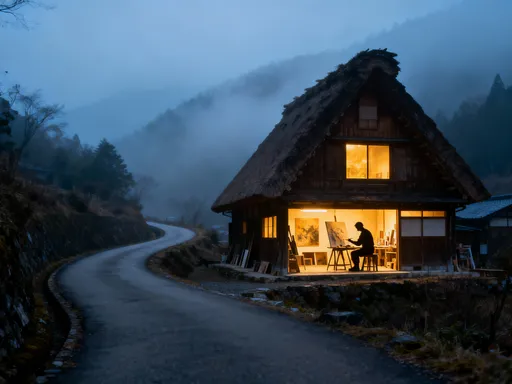
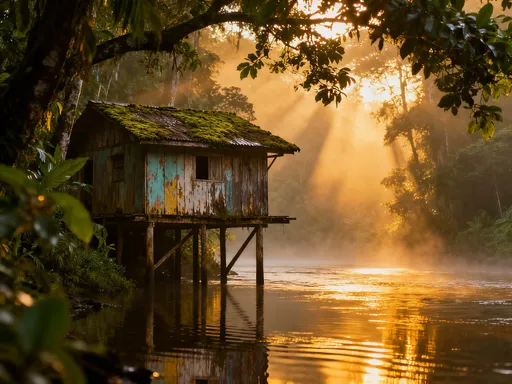
First impressions of Temburong are dominated by sensory immersion: the sound of cicadas at dawn, the scent of damp earth after rain, and the visual overload of green in every shade imaginable. Mist often clings to the hills in the early morning, softening the outlines of longhouses perched on stilts above the river. These structures emerge like visions from the foliage—elegant, weathered, and perfectly integrated into their surroundings. Unlike mass-touristed regions elsewhere in Southeast Asia, Temburong does not cater to crowds. There are no souvenir stalls, no loudspeaker announcements, no crowds jostling for photo ops. Instead, there is space, silence, and the chance to observe architecture not as spectacle, but as lived experience.
The Soul of Malay Architecture: Form Meets Function
Traditional Bruneian architecture, particularly in rural areas like Temburong, is a masterclass in responsive design. Every element—from the height of the stilts to the pitch of the roof—serves a practical purpose shaped by climate, topography, and cultural values. The most iconic feature of these buildings is their elevation on wooden stilts, often rising two to three meters above ground level. This design protects against flooding during the rainy season, allows air to circulate beneath the house for cooling, and deters pests and small animals. In riverside villages, some homes extend even higher, with ladders leading up to elevated platforms where daily life unfolds in the breeze.
The roofs of these structures are equally purposeful. Steeply pitched and often double-tiered, they facilitate rapid runoff of heavy tropical rains. Traditionally covered with attap thatch—made from woven nipah palm leaves—these roofs provide excellent insulation against the sun’s heat while remaining breathable. Though some newer homes now use metal sheets for durability, many families still prefer attap for its natural cooling properties and cultural significance. The wide eaves extend far beyond the walls, creating shaded verandas that serve as informal gathering spaces, protected from both sun and rain.
Another defining characteristic is the emphasis on natural ventilation. Walls are typically constructed from wooden planks or bamboo strips, often left slightly spaced to allow airflow. Windows, when present, are large and louvered, enabling residents to control light and breeze without compromising privacy. Interior layouts tend to be open-plan, with minimal partitions, reinforcing a sense of communal living. These homes are not sealed off from nature; they are designed to coexist with it. The choice of materials further underscores this philosophy. Timber—often harvested locally from sustainable sources—is the primary building material. Hardwoods like belian (Bornean ironwood) are prized for their resistance to rot and termites, making them ideal for structural supports.
Bamboo appears in everything from wall panels to decorative railings, valued for its flexibility and rapid growth. Attap thatch, while requiring regular maintenance, is fully biodegradable and renewable. Together, these materials create a built environment that is not only functional but also deeply sustainable. There is no reliance on concrete or steel in traditional construction, minimizing environmental impact. This harmony between form and function reflects a broader cultural ethos—one that values resilience, resourcefulness, and respect for the natural world.
Photographing the Details: Light, Texture, and Symmetry
For photographers, Temburong offers a wealth of visual opportunities, particularly in the subtle details of its architecture. The interplay of light and shadow throughout the day transforms the same structure into entirely different subjects by the hour. Early morning, during the golden hour, is ideal for capturing warm, diffused light that enhances the rich tones of weathered wood. Sunlight slants across stilt bases, highlighting grain patterns and the gentle warping caused by decades of exposure. At this time, mist often drifts through the village, adding a dreamlike quality to compositions and softening harsh contrasts.
Midday light, though bright and direct, can be used creatively with careful exposure control. Overcast days, surprisingly, may offer the best conditions for architectural photography in humid climates. The cloud cover acts as a giant softbox, eliminating harsh highlights and deep shadows, allowing for even illumination of intricate carvings and textured surfaces. This is especially useful when photographing prayer halls or community buildings adorned with traditional motifs. Many of these structures feature geometric woodwork inspired by Islamic art, where repeating patterns symbolize unity and infinity. Capturing these details requires patience and a macro lens to reveal the craftsmanship involved in hand-cut joinery and decorative inlays.
Texture is everywhere—from the cracked surface of aged attap roofs to the smooth, polished handrails worn down by generations of use. Close-up shots of wooden joints, where beams interlock without nails, tell stories of skill passed down through families. Weathering is not seen as deterioration here, but as a mark of authenticity. Each scratch, stain, and splinter adds character and history. Reflections offer another powerful compositional tool. After rainfall, puddles form near stilted homes, creating natural mirrors that double the visual impact of a scene. Similarly, calm stretches of river can reflect entire villages, producing symmetrical images that emphasize balance and harmony.
Using a polarizing filter helps reduce glare on wet surfaces and intensify colors, particularly the deep greens of surrounding foliage. Wide-angle lenses are effective for capturing full structures within their environment, showing how buildings relate to the landscape. Meanwhile, telephoto lenses allow photographers to isolate specific elements—such as a carved window frame framed by hanging vines—without intruding on private spaces. The key is to move slowly, observe carefully, and let the environment guide the lens. In Temburong, the best photographs often come not from grand gestures, but from quiet moments of attention.
Iconic Structures Worth the Lens
While much of Temburong’s architectural charm lies in everyday homes, certain structures stand out for their craftsmanship and cultural significance. Among the most photogenic is the local *surau*, or prayer hall, found in nearly every village. Typically raised on stilts and oriented toward Mecca, these modest yet elegant buildings serve as spiritual and social centers. Their exteriors are often adorned with delicate wood carvings featuring floral and geometric patterns, avoiding figurative representation in accordance with Islamic tradition. The minaret, if present, is usually simple and integrated into the main roofline rather than towering overhead, reflecting a humility characteristic of rural Malay design.
Inside, the space is uncluttered, with woven mats covering the floor and minimal ornamentation. Natural light filters through louvered windows, casting rhythmic shadows that shift with the sun’s movement. These interiors exude serenity, making them compelling subjects for contemplative photography. Because the *surau* is a place of reverence, photographers must approach with sensitivity—avoiding flash, keeping noise levels low, and seeking permission before entering or shooting inside.
Equally noteworthy are the community centers and longhouse-style buildings that host gatherings, ceremonies, and village meetings. Some of these structures stretch over 30 meters in length, housing multiple families or serving as guesthouses for visitors. Built on massive wooden piles, they feature expansive open halls with high ceilings that promote airflow. Decorative elements such as carved eaves, painted beams, and patterned railings add visual interest without overwhelming the simplicity of the design. These buildings are often situated at central points in the village, facing the river like sentinels of communal life.
A lesser-known but fascinating architectural form in Temburong is the floating structure—used for fish farming and small trading posts. These platforms, anchored in slow-moving tributaries, consist of bamboo rafts topped with lightweight shelters. Nets hang beneath, cultivating native species like tilapia and catfish. From a photographic standpoint, these sites offer dynamic compositions: the contrast between still water and moving nets, the play of sunlight on ripples, and the integration of human activity within an aquatic environment. They represent a hybrid form of architecture—one that adapts not just to land, but to water itself. Capturing these structures at dawn, when fishermen begin their daily routines, adds narrative depth to the image.
Getting There and Moving Around: A Photographer’s Logistics
Reaching Temburong requires planning, but the journey enhances the sense of discovery. The most common route begins in Bandar Seri Begawan, Brunei’s capital. Travelers take a ferry from the pier near the Central Business District to Bangar Town, a trip that lasts approximately two hours. The ferry ride itself is scenic, gliding past mangrove forests, fishing villages, and stretches of untouched coastline. Alternatively, since 2020, a modern bridge—the Temburong Bridge—has connected the district directly to the mainland, significantly reducing travel time. However, many photographers still prefer the ferry for its slower pace and better vantage points for initial shots.
Upon arrival in Bangar, transportation options are limited but sufficient. Motorbike rentals are available for independent travelers wishing to explore nearby villages, though road coverage is sparse. For accessing riverside communities, boat hire is essential. Local boatmen offer guided trips along the Temburong River and its tributaries, navigating narrow channels lined with overhanging trees. These boats, typically long and narrow with outboard motors, can reach remote settlements inaccessible by road. A full-day charter costs a modest fee and includes the services of a local guide, who often speaks basic English and understands the needs of photographers.
For those aiming to document village life authentically, guided walks are highly recommended. Local community guides can arrange visits to stilt-house clusters, explain architectural features, and facilitate introductions with residents. Some eco-lodges and homestays also organize cultural immersion programs that include traditional meal experiences and craft demonstrations. These structured visits ensure respectful engagement while providing access to otherwise private spaces.
It is important to note that certain areas, particularly deep within Ulu Temburong National Park or in protected indigenous territories, may require permits for entry. These are typically arranged through licensed tour operators or the Brunei Tourism Department. Visitors should not attempt to access restricted zones independently. Additionally, drone usage is regulated in Brunei, and aerial photography requires prior approval. Respecting these rules not only ensures legal compliance but also fosters goodwill with local authorities and communities.
Responsible Photography in a Close-Knit Community
Photographing people and homes in Temburong demands a high degree of cultural sensitivity. These are not tourist attractions, but living spaces inhabited by close-knit communities that value privacy and mutual respect. The first rule of ethical photography here is simple: always ask permission. Whether pointing a camera at a house, a person, or a communal building, seeking consent is non-negotiable. A smile, a polite gesture, or a few words in Malay (“Boleh ambil gambar?” – “Can I take a picture?”) go a long way in building trust.
In many cases, villagers are happy to be photographed, especially when they understand the intent behind the lens. Explaining that the images will be used to share Brunei’s cultural heritage with a global audience often leads to warm welcomes. Some may even invite photographers into their homes, offering tea or fruit while proudly showing off family heirlooms or hand-carved furniture. These spontaneous interactions often yield the most authentic and emotionally resonant images—not staged, but born of genuine connection.
However, there are times when the answer is “no,” and that must be respected without question. Privacy is deeply valued, particularly during family rituals, prayer times, or moments of mourning. Photographers should avoid intrusive behavior, such as peeking into windows or shooting from a distance without acknowledgment. Using a telephoto lens to capture candid moments may seem tempting, but it risks violating trust and creating discomfort. Instead, the focus should remain on architecture and environment, with human subjects included only when willingly participating.
Working with local guides not only aids navigation but also serves as a bridge between visitor and community. Guides can translate, explain cultural norms, and help negotiate access in a way that honors local customs. They also ensure that tourism benefits the village directly, supporting sustainable livelihoods. Over time, responsible photography practices contribute to a positive cycle: respectful visitors encourage openness, which in turn preserves cultural integrity while allowing for meaningful documentation.
Why Temburong’s Architecture Deserves Global Attention
The traditional architecture of Temburong is more than aesthetically compelling—it is a living record of sustainable design in harmony with nature. At a time when urbanization and industrial materials dominate global construction, these stilt houses and wooden halls offer an alternative vision: one rooted in resilience, adaptation, and environmental stewardship. Yet, this heritage faces growing pressures. Modernization brings concrete homes, corrugated roofs, and imported materials that, while durable, lack the ecological sensitivity of traditional methods. Younger generations, drawn to city life, are less likely to learn ancestral building techniques, putting centuries-old knowledge at risk of being lost.
Photography plays a vital role in cultural preservation. Each image captured—of a carved beam, a thatched roof, a riverfront longhouse—becomes part of a visual archive that can educate, inspire, and advocate for conservation. When shared through exhibitions, publications, or digital platforms, these photographs raise awareness about the value of vernacular architecture. They also support sustainable tourism initiatives that empower local communities economically while encouraging the maintenance of traditional practices.
Brunei has already taken steps to protect Temburong’s natural environment, but greater attention is needed to safeguard its cultural landscape. Documentation projects involving architects, anthropologists, and photographers could help catalog and revitalize traditional designs. Incentives for using sustainable materials and restoring heritage buildings would further strengthen preservation efforts. Most importantly, global recognition can shift perceptions—positioning Temburong not as a remote backwater, but as a model of eco-sensitive living.
Capturing Temburong’s architecture is not merely an artistic pursuit; it is an act of witnessing. These structures, born from necessity and refined by tradition, embody a quiet wisdom about how humans can live within nature rather than against it. Through careful, respectful photography, we honor that wisdom and ensure it is not forgotten. In a world increasingly defined by speed and scale, Temburong reminds us of the beauty found in slowness, simplicity, and harmony.